Fleas and ticks can turn your yard into a haven for discomfort and disease, impacting both pets and humans. To effectively get rid of fleas and ticks in your yard, you need a comprehensive approach that combines prevention and control. This article will guide you through understanding these pests, identifying signs of infestation, and implementing effective control measures.
Understanding Fleas and Ticks
Fleas are small, wingless insects that feed on the blood of mammals and birds. Ticks, on the other hand, are arachnids that also require blood meals to survive. Both pests thrive in warm, humid environments, making South Dakota's summer months particularly favorable for their proliferation. Understanding their life cycles is crucial for effective management.
Signs of Infestation
Identifying an infestation early can save you from a larger problem later on. Look for the following signs:
- Fleas: Small black or brown specks on your pet's fur or bedding, which are flea feces.
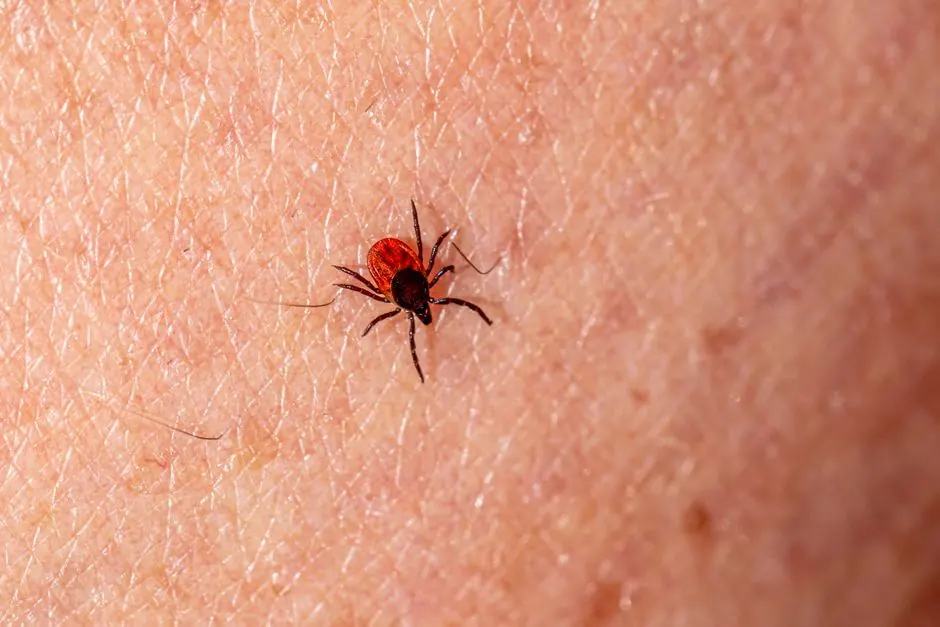
- Ticks: Visible ticks attached to your pets or yourself, especially in warm, wooded areas.
- Scratching: Excessive scratching or biting by pets, which can indicate flea or tick bites.
- Flea Eggs: Tiny white specks that may be found in your yard or home.
Preventive Measures
Preventing fleas and ticks is often easier than eliminating them once they have infested your yard. Here are some effective strategies:
- Maintain Your Lawn: Keep your grass trimmed and remove debris where fleas and ticks can hide.
- Use Mulch Wisely: Organic mulch can provide a habitat for ticks. Consider using gravel or wood chips instead.
- Pet Treatment: Regularly treat your pets with veterinarian-recommended flea and tick preventatives.
- Yard Treatments: Use insect growth regulators and other treatments specifically designed for outdoor use.
DIY Control Methods
If you already have an infestation, you can take several DIY steps to control fleas and ticks:
- Vacuum Regularly: Vacuum your home and yard frequently to remove fleas, eggs, and larvae.
- Wash Bedding: Wash pet bedding and any fabric that may harbor fleas in hot water.
- Natural Remedies: Consider using diatomaceous earth in your yard, which can help kill fleas and ticks without harmful chemicals.
- Insecticides: Use outdoor insecticides labeled for flea and tick control, but always follow the manufacturer's instructions for safe application.
Common Mistakes
When dealing with fleas and ticks, homeowners often make several common mistakes:
- Ignoring Early Signs: Delaying action when you notice the first signs of infestation can lead to a larger problem.
- Inconsistent Treatment: Failing to maintain regular treatments for pets and the yard can allow fleas and ticks to return.
- Improper Use of Chemicals: Not following application instructions can lead to ineffective treatment and potential harm to pets and the environment.
When to Call a Professional
If your flea and tick problem persists despite your efforts, it may be time to call in the experts. Professional services can provide targeted treatments and advice tailored to your specific situation. At Flea and Tick Control in South Dakota, we can help you regain control of your yard and protect your family and pets from these pests.
Frequently Asked Questions
How long do fleas and ticks live? Fleas can live for several weeks to months, while ticks can survive for years without a blood meal, making them persistent pests.
Can fleas and ticks be prevented? Yes, regular grooming of pets, yard maintenance, and the use of preventive treatments can significantly reduce the risk of infestation.
What are the health risks associated with fleas and ticks? Both can transmit diseases to pets and humans, including Lyme disease from ticks and tapeworms from fleas.
How often should I treat my yard for fleas and ticks? It is recommended to treat your yard at least once a season, or more frequently if you notice signs of infestation.
Get help with Pest Control in South Dakota
If you're struggling with fleas and ticks in your yard, don't hesitate to reach out for professional help. Contact us at 8337222580 for effective pest control solutions tailored to your needs.